AA ritual for the kitchen — not a technique. How to draw out apricot, cocoa, and wild honey from a single mountain harvest.
Most of the brewing guides we have read approach coffee the way a chemist approaches a reaction: temperatures, ratios, total dissolved solids, refractometer readings. There is nothing wrong with this. We use a scale in the shop. We measure the water. Coffee is, in the end, a small piece of chemistry.
But there is a different way to think about brewing, and it is the way we prefer.
Brewing is not an extraction problem. Brewing is a five-minute act of attention — five minutes in which you do nothing else, look at no screen, answer no message, and let a mountain in Sơn La unfold quietly into your cup. The numbers are scaffolding. The thing itself is the attention.
Here is how we do it. You will adjust, over time, to your own water and your own kettle and your own taste. That is the whole point.
What you need
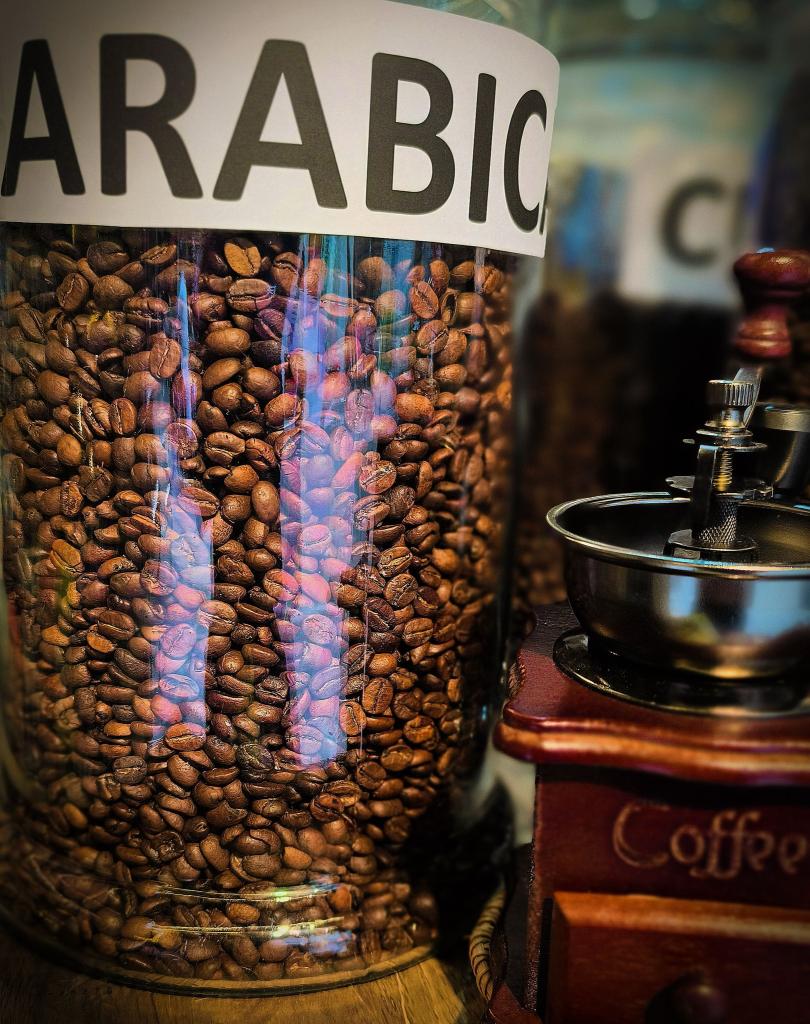
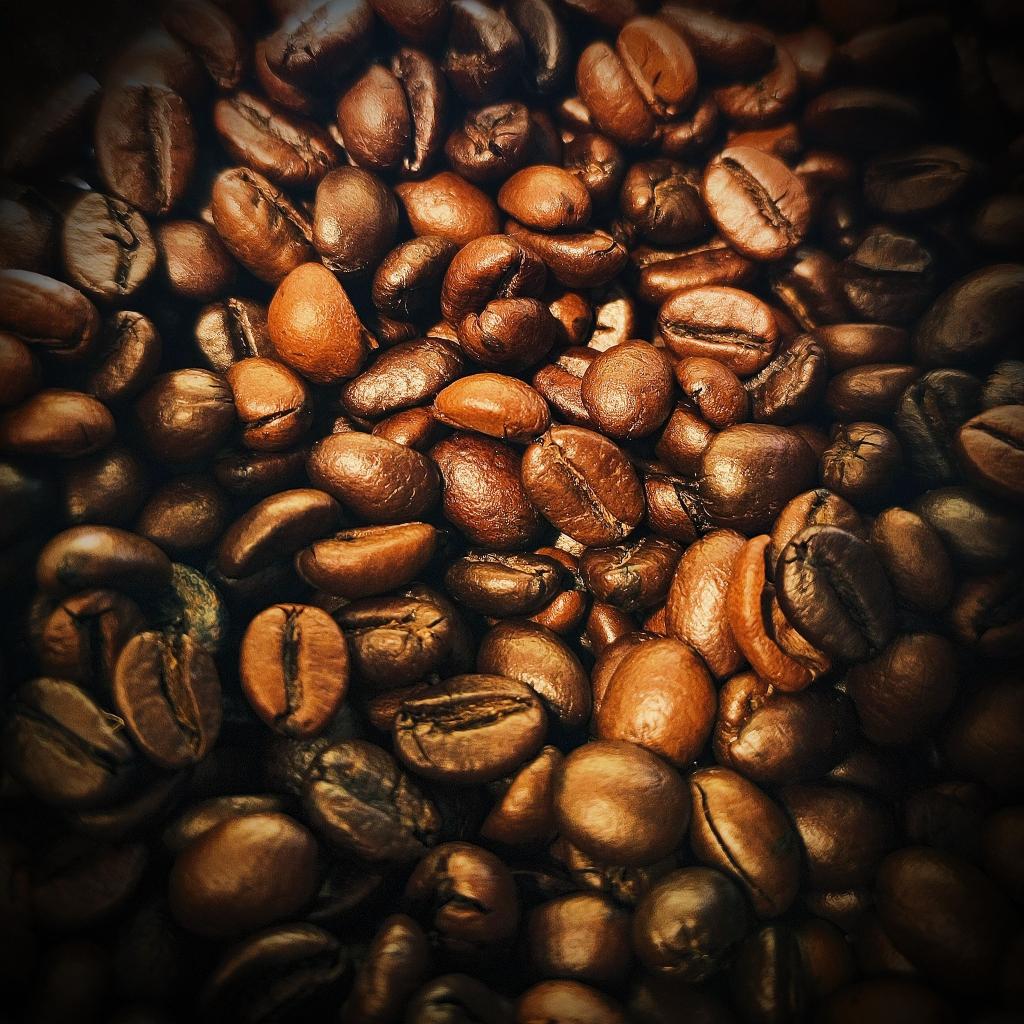
A grinder that produces a consistent medium-fine grind. A burr grinder, ideally; even a hand grinder will do. Pre-ground coffee from a tin will not do, and we will not pretend otherwise — the moment a bean is ground, its aroma begins to drift away, and within twenty minutes most of what makes our highland Arabica taste like apricot is gone.
A pour-over dripper. We use a V60 in the shop, but a Kalita, Origami, or simple ceramic cone will all work. The shape changes the rhythm, not the principle.
A paper filter. Rinse it with hot water before brewing — both to remove the paper taste and to warm the dripper. This step takes ten seconds and changes the cup.
A kettle that lets you pour slowly. A gooseneck is ideal. A small Vietnamese phin kettle works, with practice.
A scale, if you have one. If not, a tablespoon. We will give you both ways.
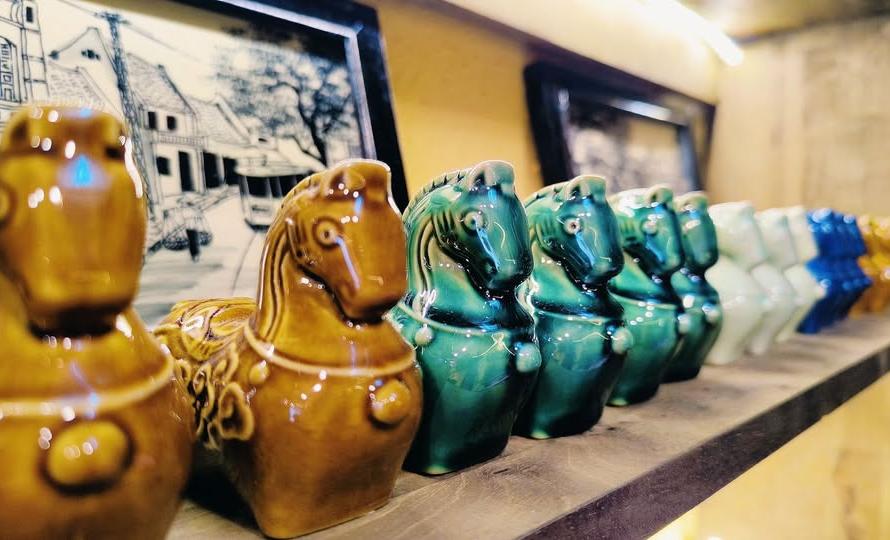
A cup you love. This matters more than the coffee snobs admit. A heavy Bát Tràng cup, glazed and slightly warm to the hand, will make even a mediocre brew taste considered. A flimsy paper cup will undo a perfect brew. The vessel is part of the recipe.
Fifteen grams of coffee. Two hundred and forty grams of water. A 1:16 ratio, by weight.
The water
Heat your water to between 88 and 92 degrees Celsius — just below a boil. Highland Arabica, grown above 1,300 meters, is delicate. Water at full boil will pull out bitterness and char the floral notes we worked so hard to keep. Let the kettle sit off the heat for thirty seconds after it whistles. That is, roughly, enough.
If you are not in the habit of measuring water temperature, this is fine. Just remember: not boiling. Slightly cooled.
The four pours
Brewing pour-over is not one pour. It is four — and the four are the difference between a flat cup and a structured one.
Pour one — the bloom. Pour about thirty grams of water in small concentric circles over the dry grounds. Stop. Watch. The coffee will rise like a small dark loaf, releasing the gas trapped in the bean since roasting. Let it bloom for thirty to forty seconds. This is the moment the coffee wakes up. Skipping the bloom is the most common mistake we see. Do not skip the bloom.
Pour two — the build. Pour another sixty grams of water, slowly, in circles from the centre outward. Do not let the water hit the paper filter directly along the sides. Stay close to the centre. Allow the water to draw down for about thirty seconds.
Pour three — the deepening. Another eighty grams. Same motion. The grounds should remain submerged, the surface flat and dark.
Pour four — the finish. The final seventy grams. Pour slowly. The total water in the cup should now read 240 grams.
Total brew time, including bloom: three minutes and thirty seconds to four minutes. Slightly faster, your coffee will taste thin and acidic. Slightly slower, it will taste muddy and dull. Within that window, you are home.
Pour the brewed coffee into your warm cup. Let it sit, untouched, for one minute. Coffee at brewing temperature is too hot to read. At sixty-five degrees, the apricot rises. At fifty-five, the cocoa settles in. At forty-five, a faint sweetness — what specialty roasters sometimes call wild honey or bee balm — appears at the back of the throat. Each temperature is a different cup. This is one of the reasons we drink it slowly.
You should not taste the things most Vietnamese coffee has trained you to expect. No burnt-tire bitterness. No sweetness from condensed milk doing the work the bean did not do. No chocolate-syrup heaviness. Highland Arabica is not robusta. It is a different fruit altogether.
If your cup tastes bitter or burnt: your water was too hot, or your grind was too fine, or you brewed too long. Adjust one variable at a time.
If your cup tastes thin or sour: your water was too cool, or your grind was too coarse, or you brewed too quickly. Adjust one variable at a time.
If your cup tastes nearly right but slightly hollow: the beans are old. Highland Arabica is at its best within four weeks of roasting. After eight weeks, the apricot is gone.
A note on milk
We do not, in the shop, add milk to our pour-overs. We do not, in general, recommend it.
This is not snobbery. It is mathematics. The aromatic compounds that make Sơn La Arabica taste of apricot and wild honey are present in extremely small quantities — measured in micrograms per cup. Milk fat coats the tongue and masks these compounds. The bean becomes invisible.
If you prefer milk in your coffee — and many people do, with no apology required — we recommend a sweetened robusta, brewed in a phin, the traditional Vietnamese way. There is nothing wrong with that cup. It is simply a different cup, made for a different reason.
Save your highland Arabica for the morning you have five quiet minutes and a warm Bát Tràng cup. That is the cup it was grown for.
Five minutes
Bloom: forty seconds. First pour: thirty seconds. Second pour: thirty seconds. Third pour: thirty seconds. Drawdown: one minute. Settling in the cup: one minute. First slow sip: now.
The mountain in Sơn La took a year to make this for you. The least you owe it is five minutes.
The kettle is ready. Begin.